20th April – 1st May 2026
There are many ways to cross Croatia. Over the course of just over a week it feels like we have attempted them all, and contended with a few challenges which have made us recalibrate our route.
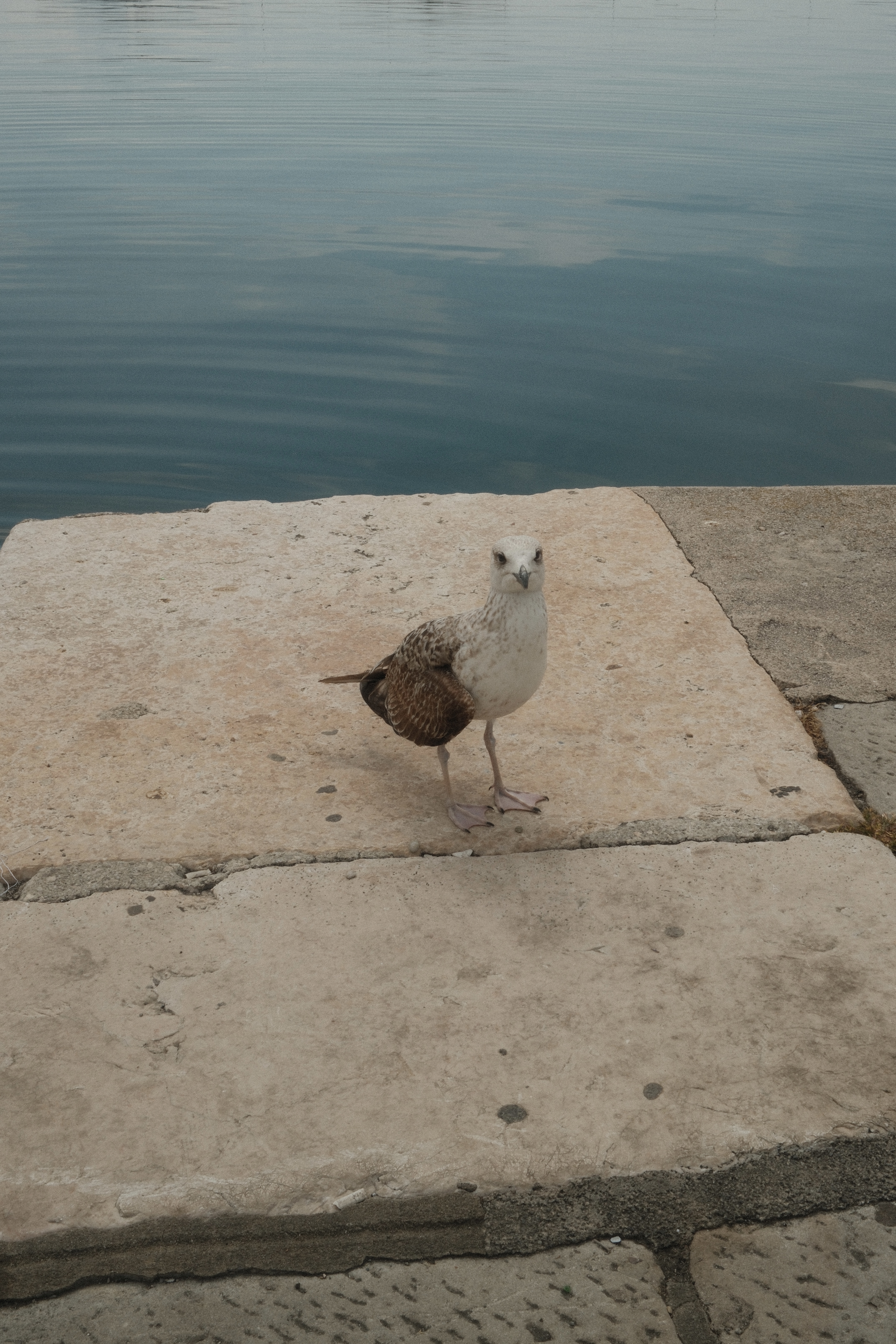
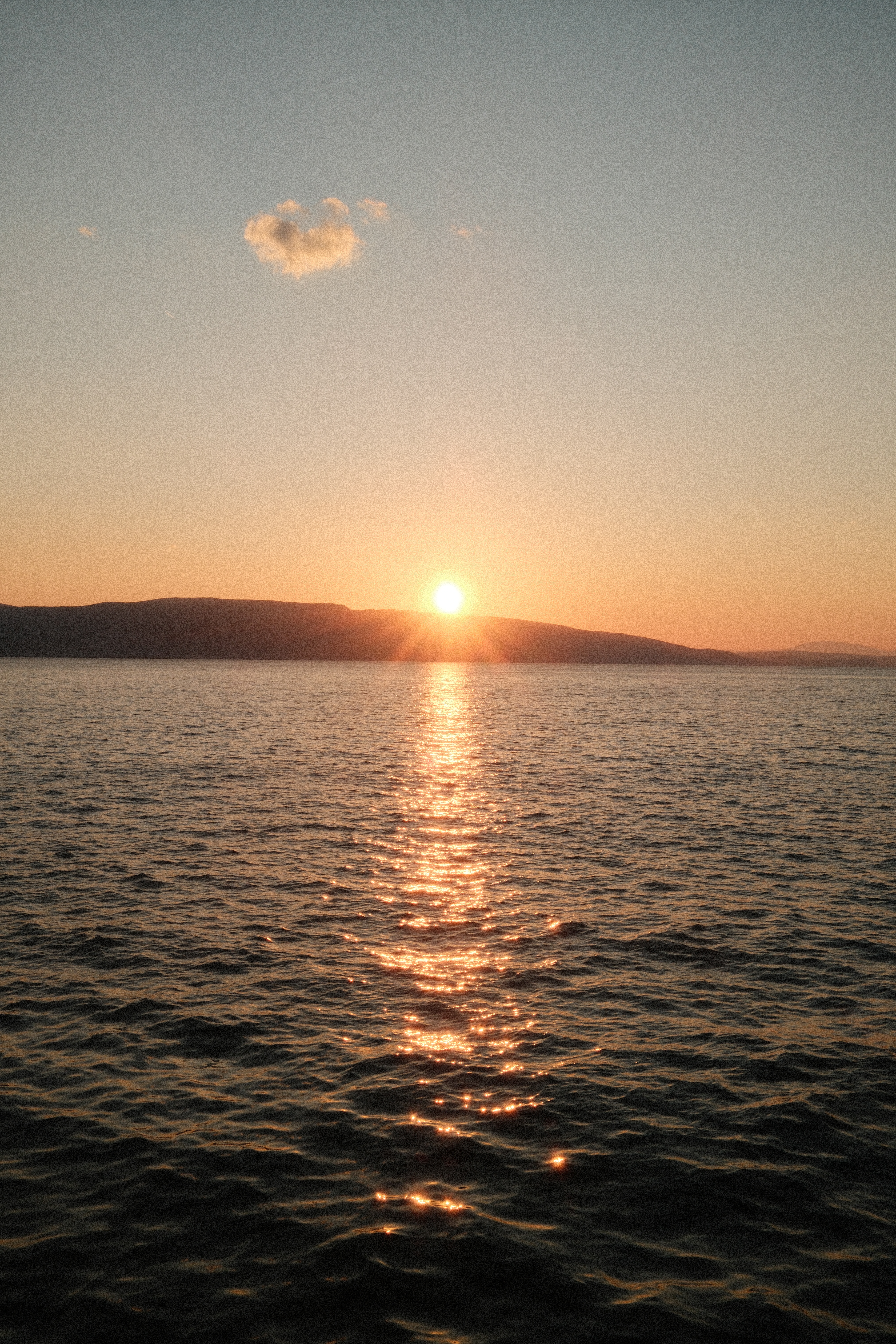
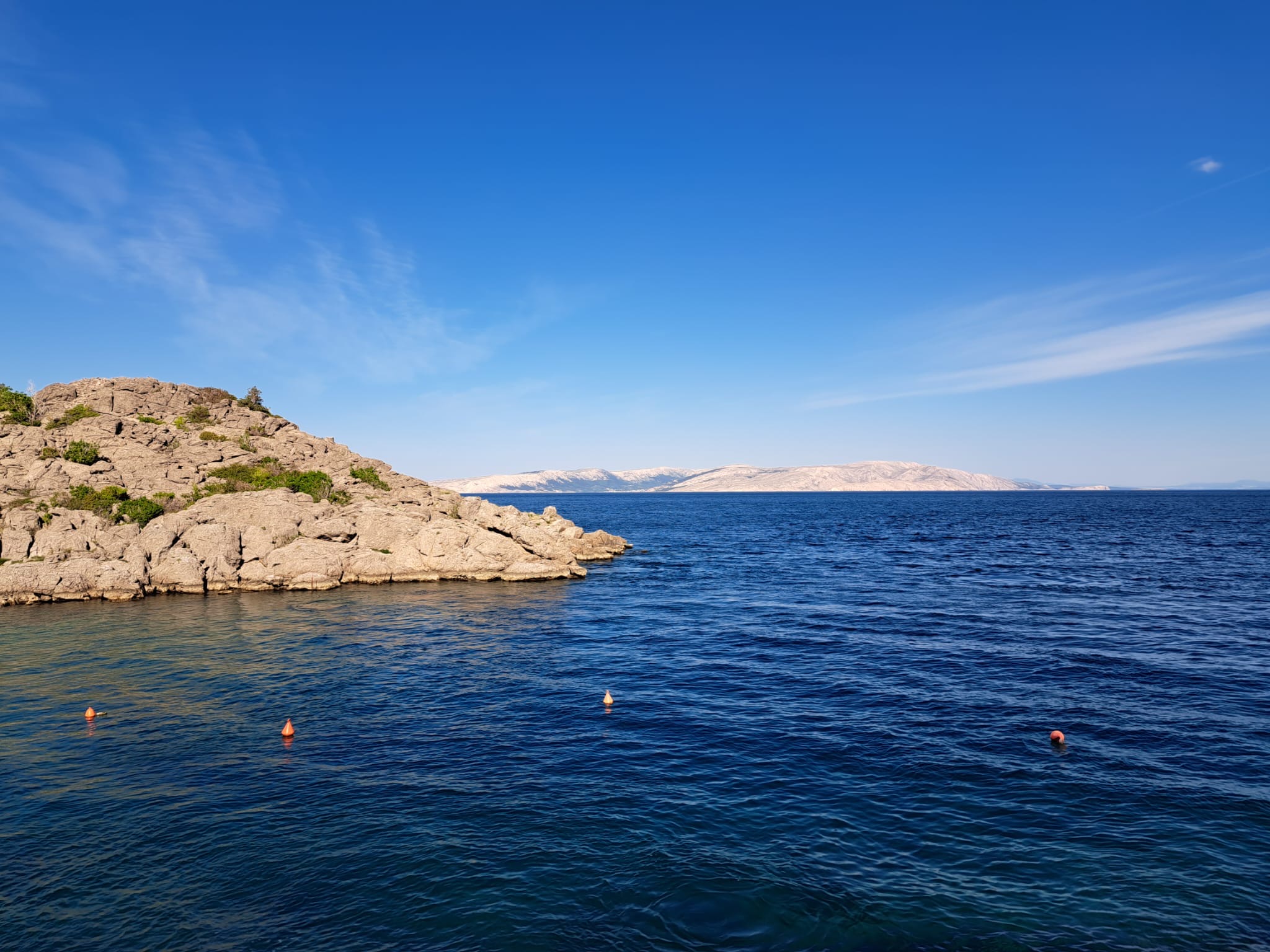
For a while after we crossed the border from Slovenia to Croatia we barely saw anyone. This didn’t last long. We had a bit of a climb through a rugged landscape with rock formations splitting the soil before we started going down and caught glimpses of the sea. The roads became busier and more hectic and it was at that point that we hit construction works. It felt like every single road to the coast was being dug up in some form or another, and it couldn’t feel further from the segregated alpine cycle paths that we now thought came as standard.
I have heard about the Croatian coastal road. Cycling on it appears to be a little… unusual. I don’t remember seeing another cyclist for that entire first day in Croatia, and we couldn’t work out whether the beeps from cars were friendly or not. The coastal views were gorgeous, but the roads and the driving etiquette didn’t exactly feel designed for cycling, and it quickly confirmed that we’d prefer to attempt the sharp climbs of the quieter routes over being overtaken a little to quickly and a little to closely.
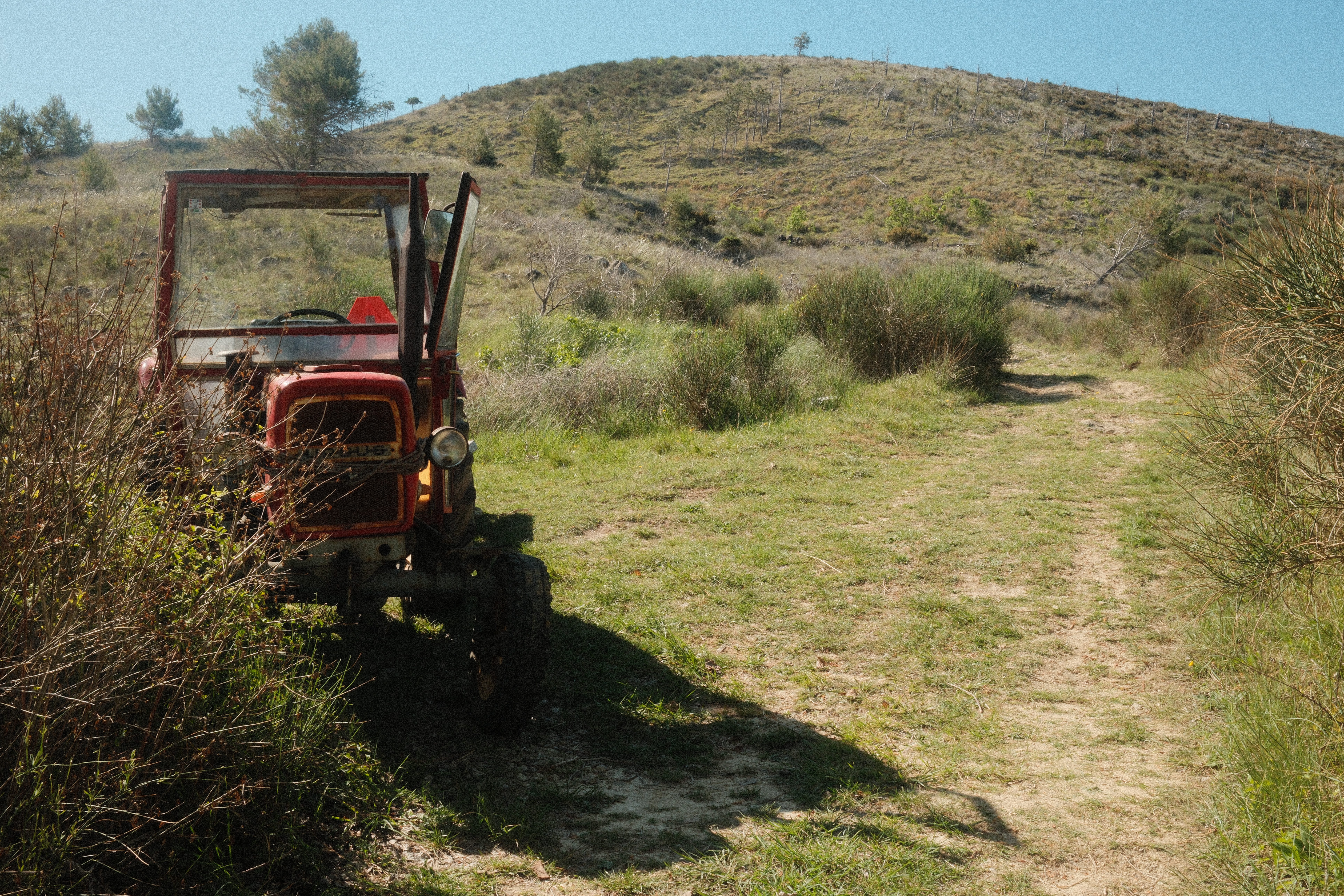
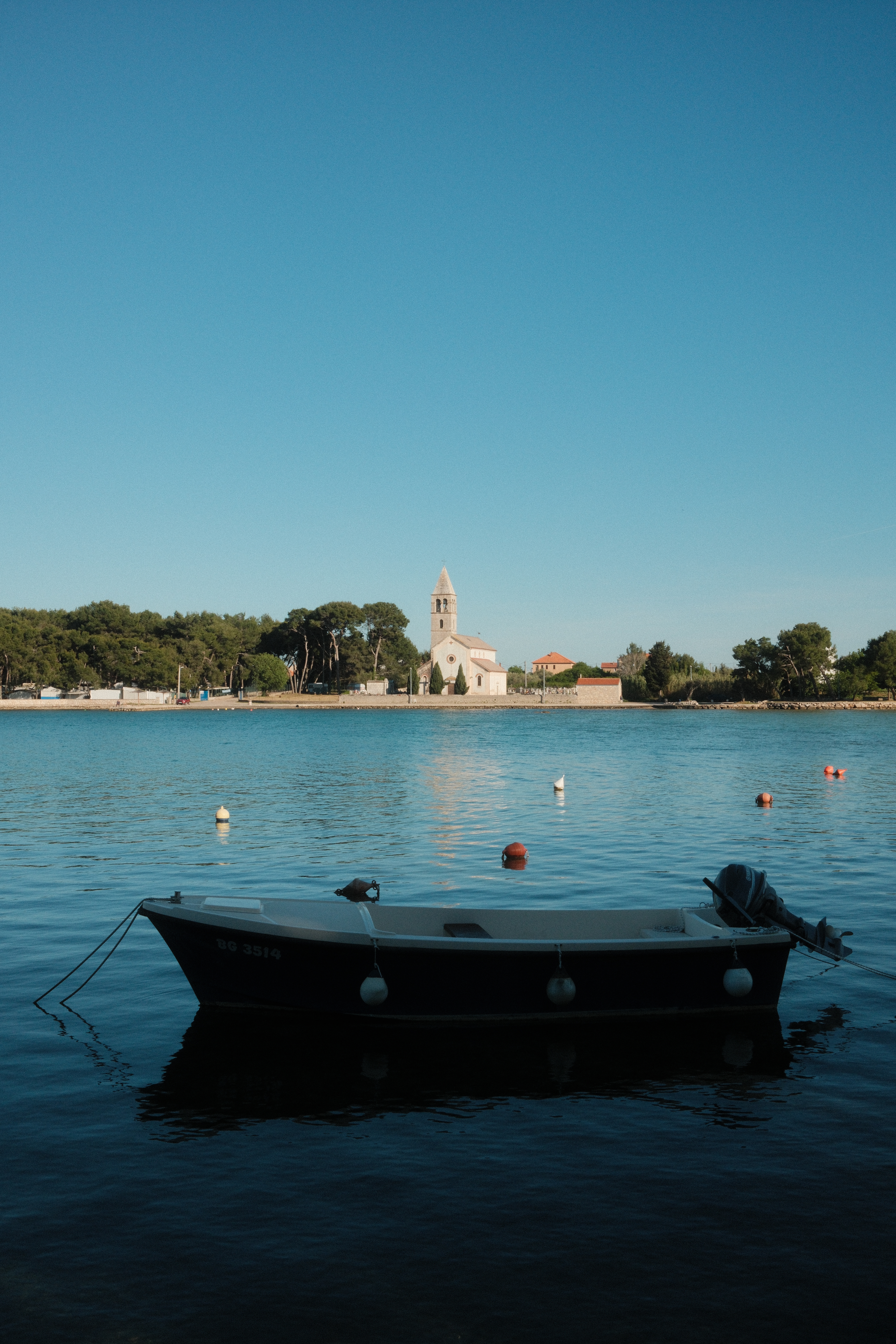

We arrived at our first Croatian campsite Kamp Ostro, unaware that Ostro means strong southern wind (or indeed that the winds are so strong in Croatia that they get a reference in the national anthem). It wasn’t long before we discovered this. After a rest day we retreated to our tent as gusts of wind rolled and crashed over it in waves.
The wind had the positive affect of drying our laundry extremely quickly, but sadly it was still there in the morning. In no time at all we were pushing our bikes up a drainage channel of aforementioned coastal road as construction traffic passed within inches of us, bracing ourselves against the wind. It was quite possibly the slowest 5k by bike on record. We attempted to take shelter behind a concrete roadblock to consider our options: stay put (not exactly a long term solution), continue (terrifying) or flee to the flat route of the Danube (very tempting but a bit of a cop out).
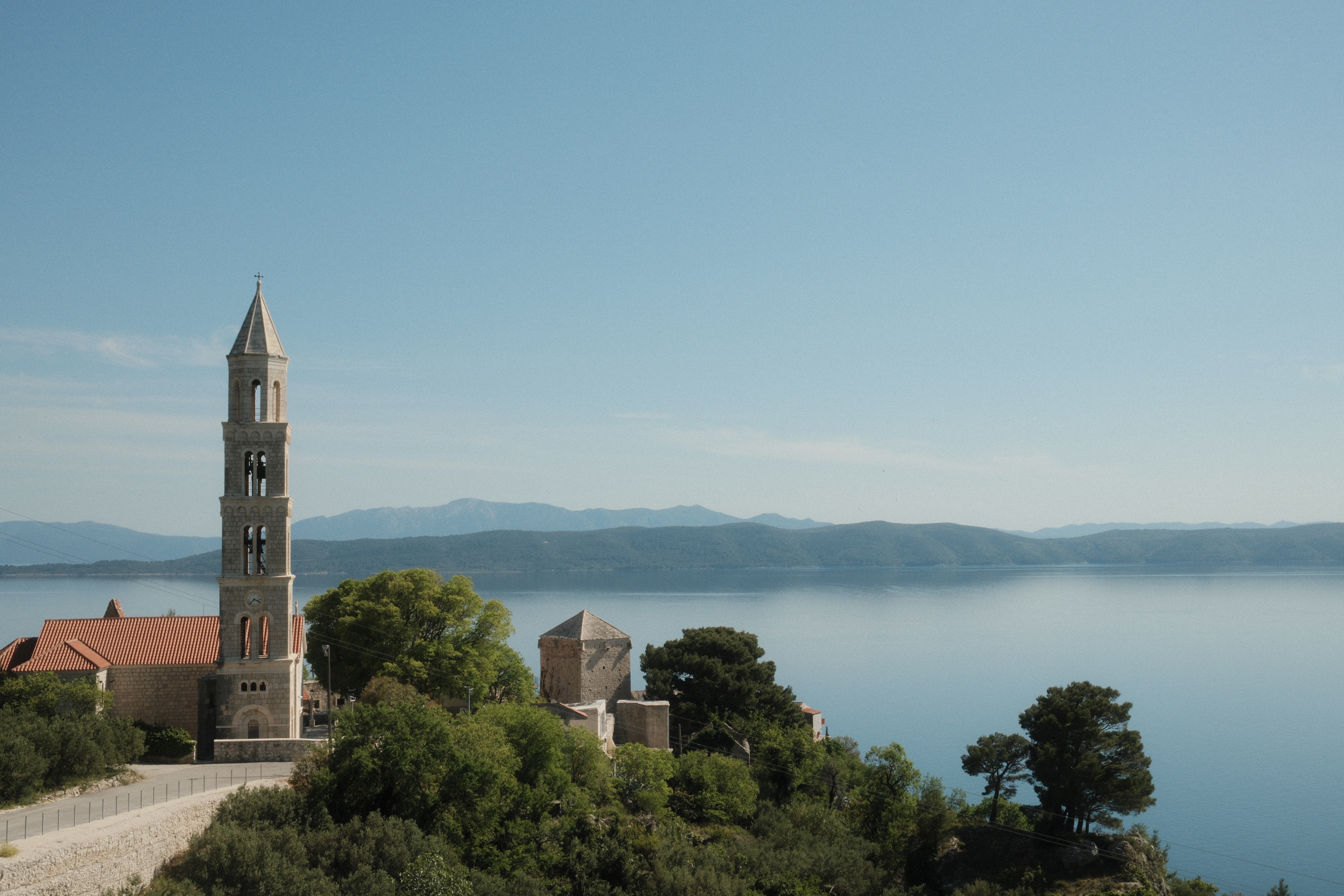
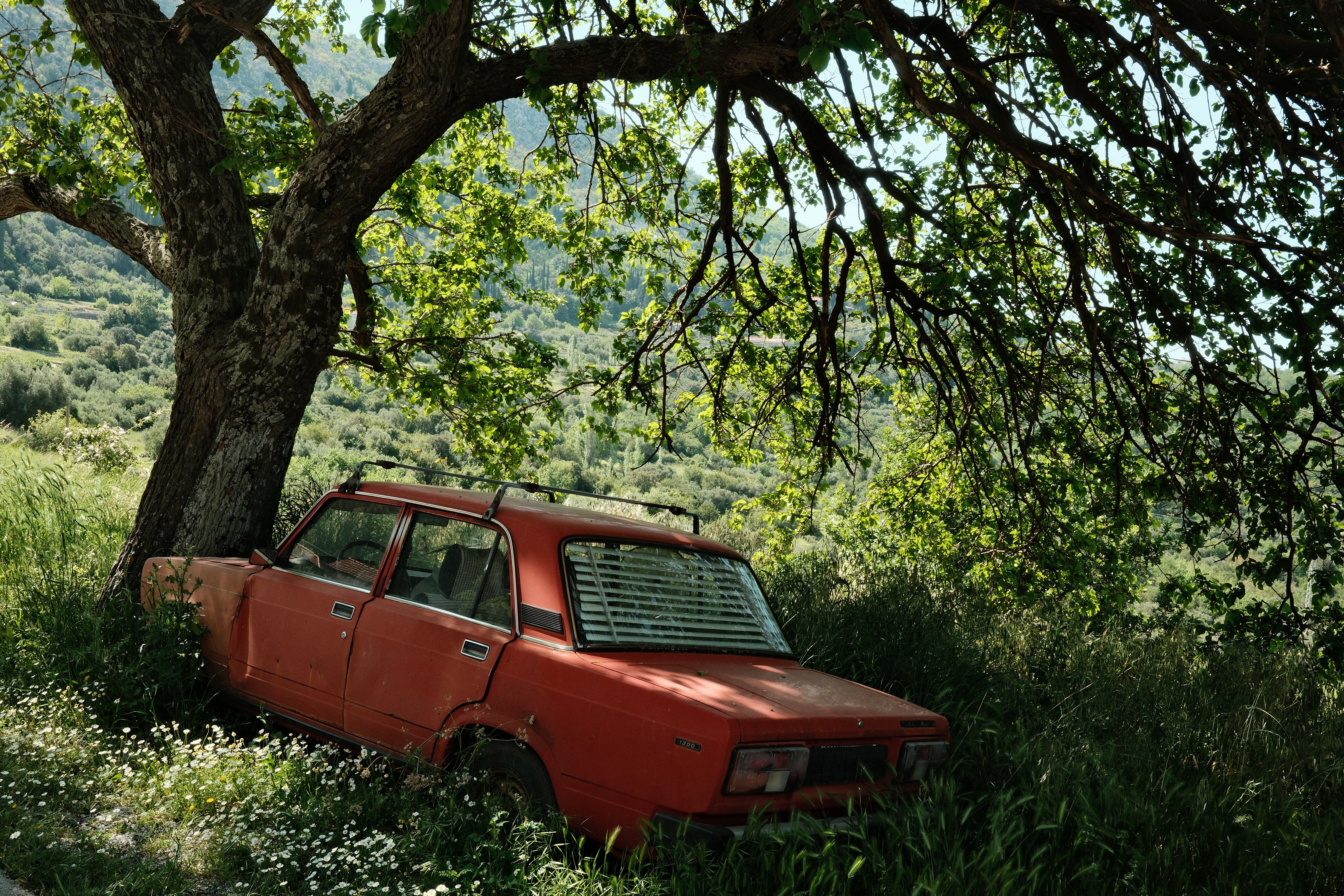
After debating this for some time we plucked up the courage to continue. The wind either became slightly less deadly or we became slightly more tolerant of it and we started to make fairly good progress, but Croatia had something new in store for us, for Balkans loosely translates as mountains. After loving our time in the Alps we had decided to try out a section of the Trans Dinarica route which took us away from the coastal route. This came at a cost: elevation.
That second day in Croatia was the closest we’ve ever got to both giving up at the same time. The wind was unpredictable and the gradients brutal, and both were coming at us simultaneously. The mountain roads were a lot quieter than the coast but this didn’t quite compensate for the weight of our bikes (you know you’re in trouble when a local cycle guide shakes their head and tells you good luck in a forboding manner).
Croatia was the first place we really debated the route. It felt like there was always a trade off – we solved one problem only to create another. If we took the hilly route in land to avoid the cars we’d likely be reliant on wildcamping, fines for which make the 49 euro a night campsite we later saw in Dubrovnik look like an absolute bargin. The next day of the Trans Dinarica route would have involved climbing a lot of hills in a short space of time in the exact opposite direction of all the campsites, and so we decided to have a go at island hopping where our google searches indicated there was a surplus of campsites. After surviving another stint on the coastal road we caught the ferry to Pag.
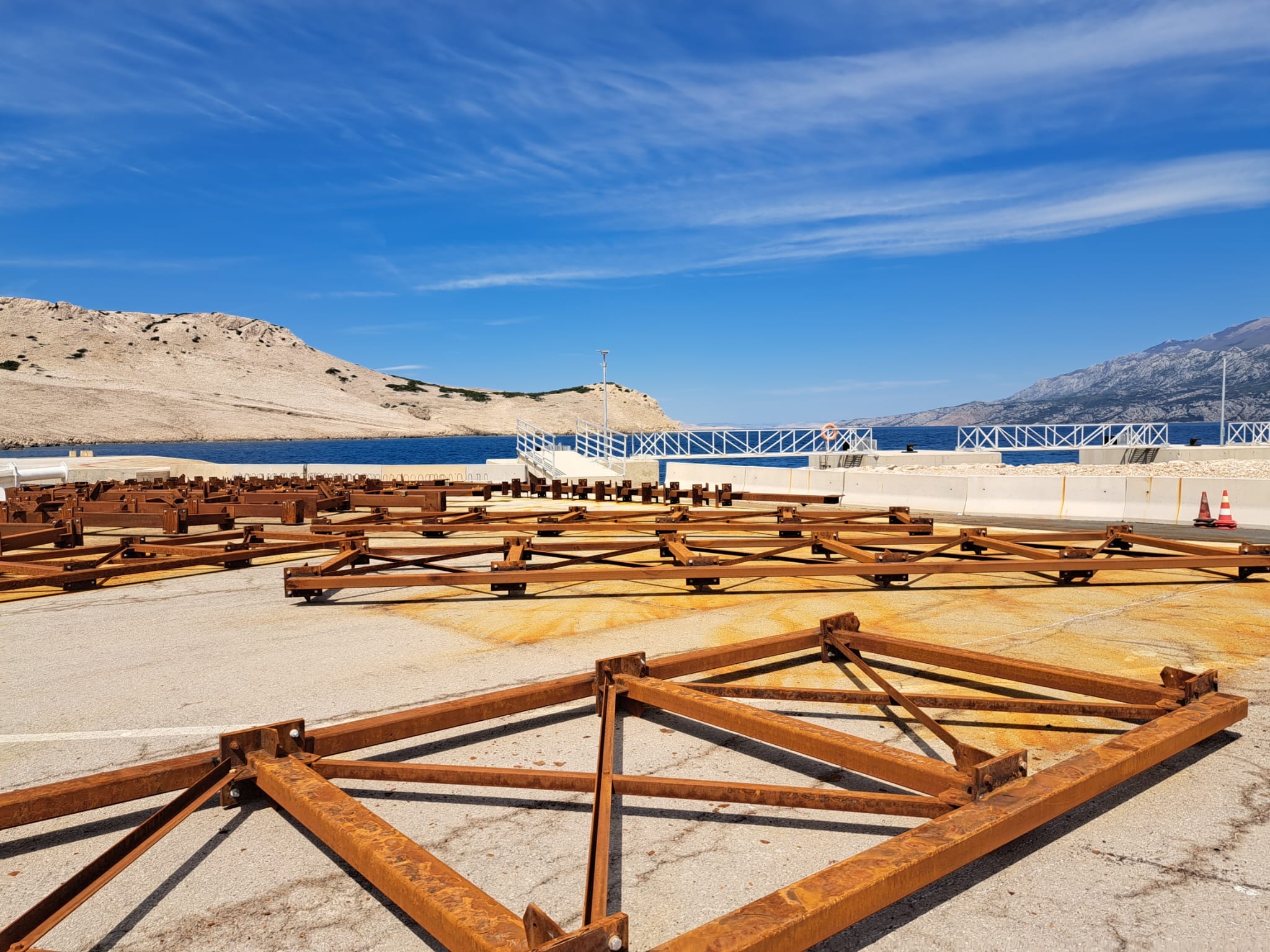
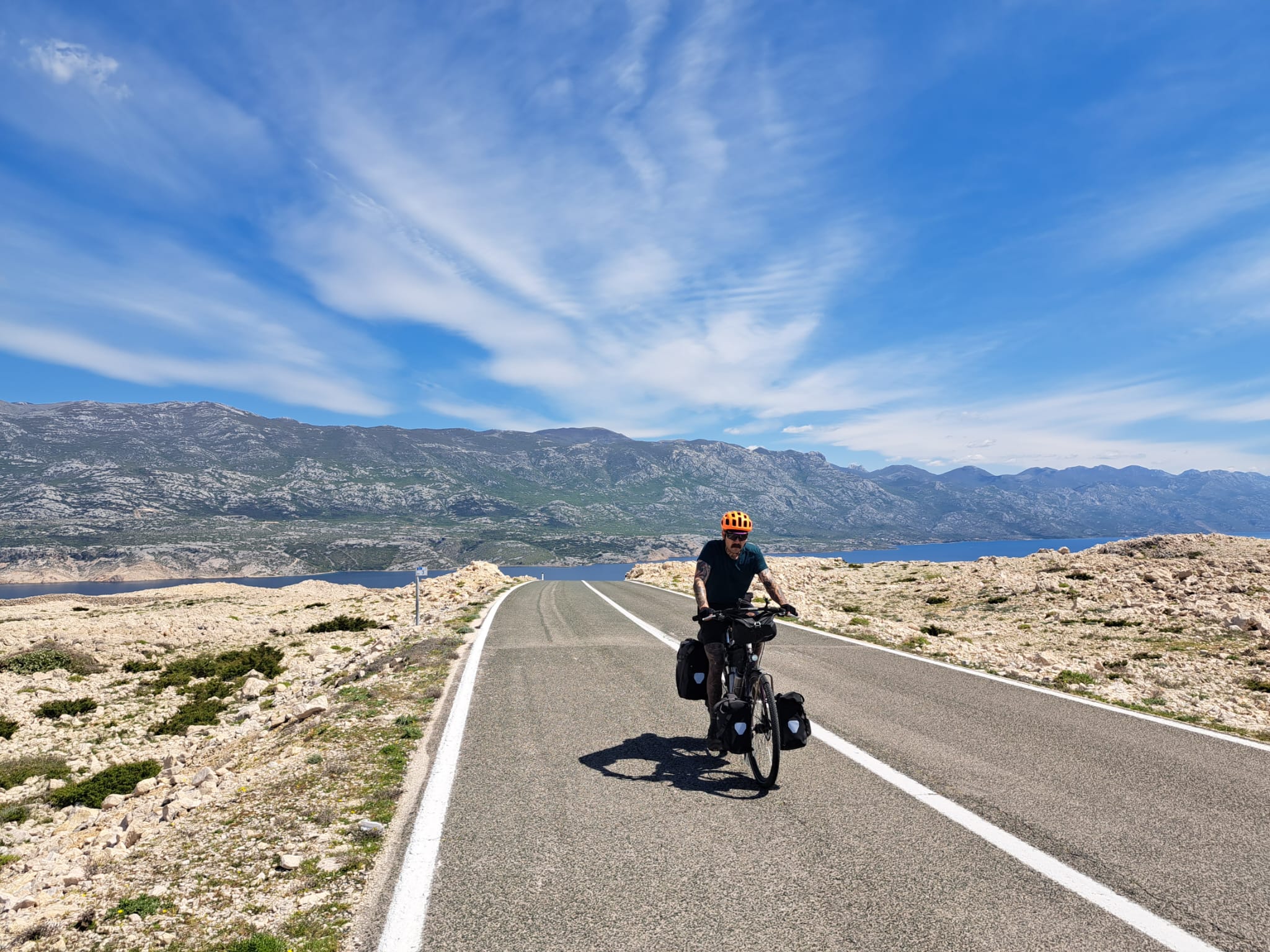
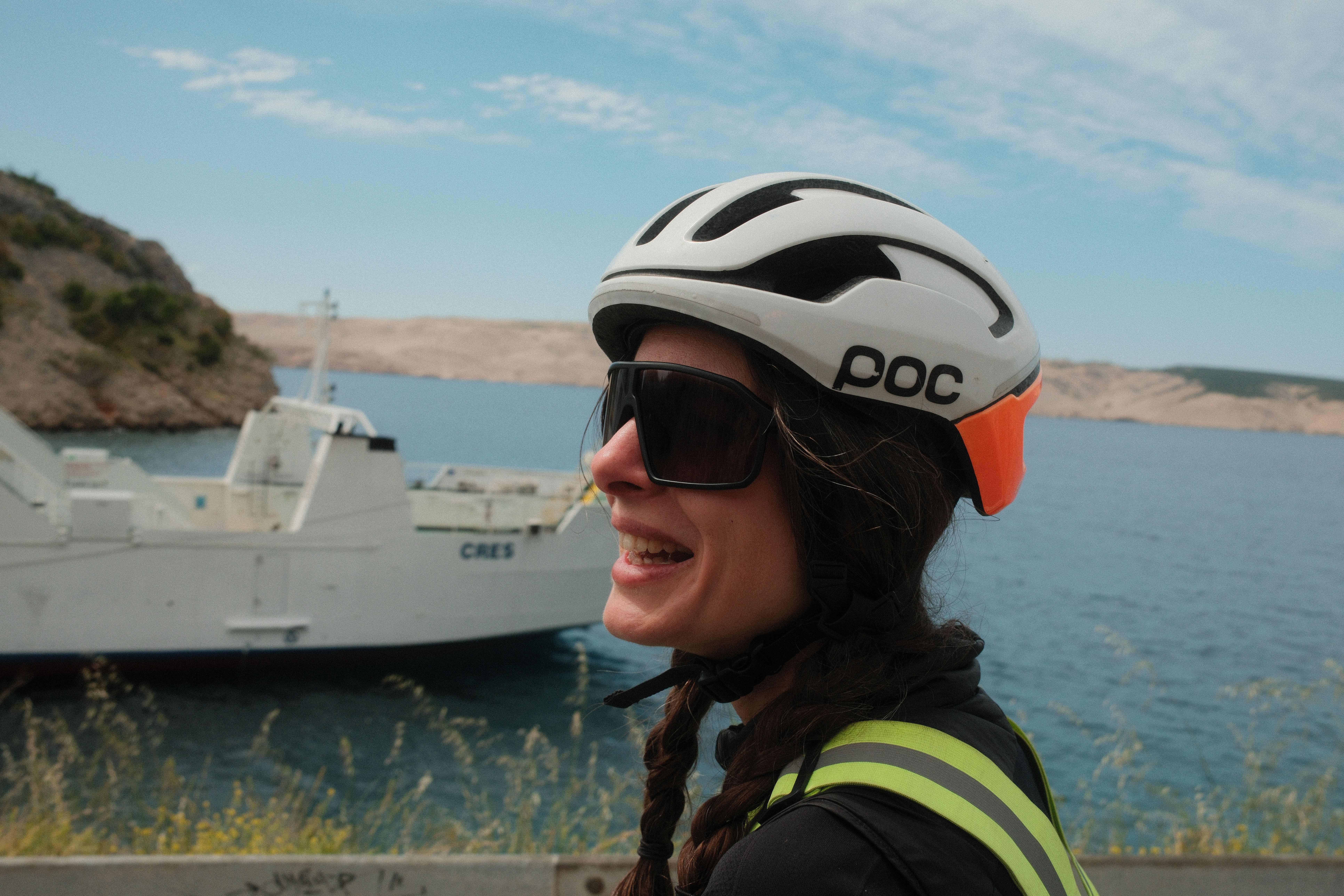
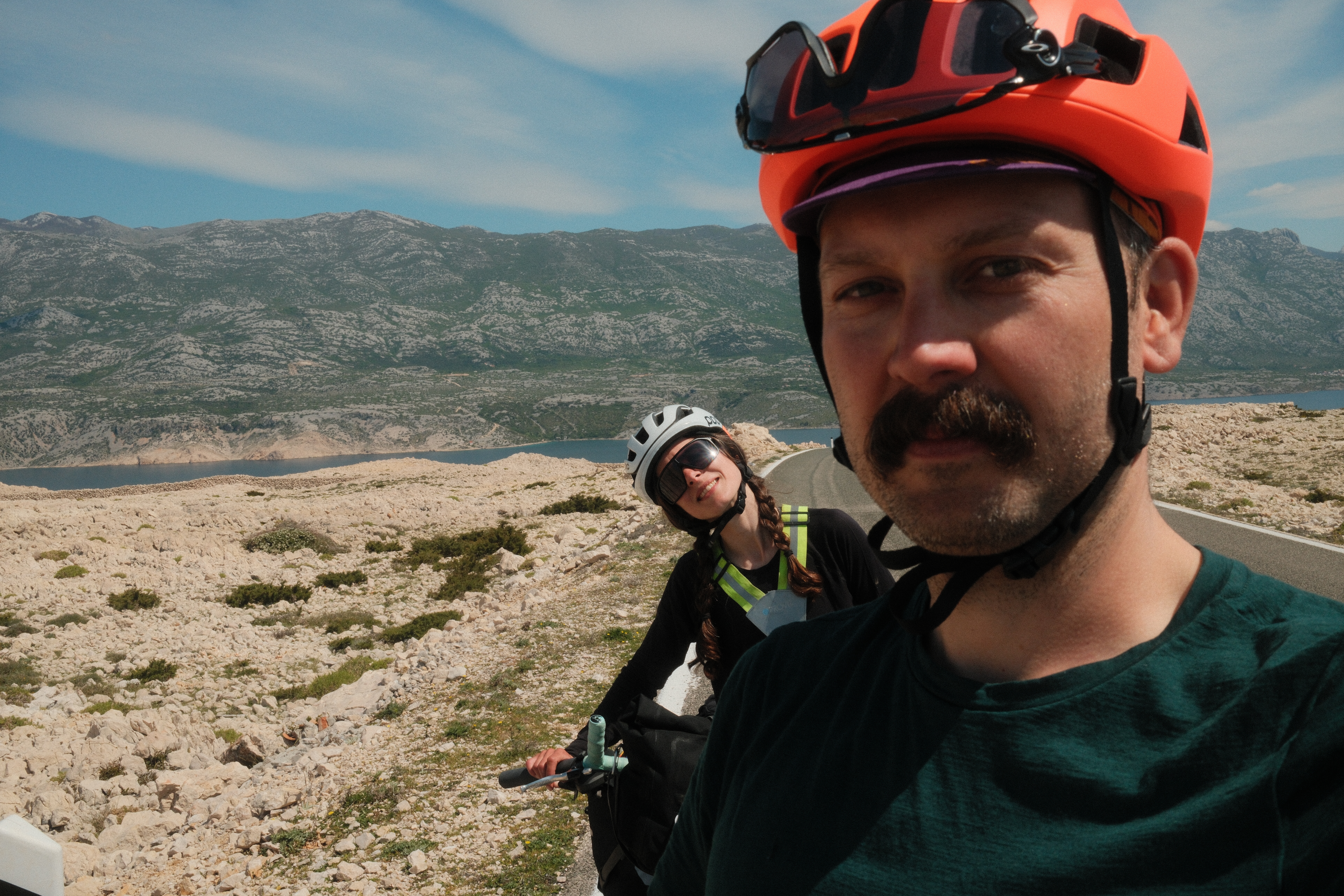
Arriving in Pag felt like arriving on another planet. The east side of the island is steep, rocky and barren, with the only things seeming to thrive there being discarded glass bottles. When we got to the top of the hill, a whole different side of the island revealed itself to us, bursting with olive groves and adorned with wild flowers.
Travelling off season has its pros and cons. We were told the roads were a lot less busy, but we soon found that because of this a lot of campsites we’d planned to stay at hadn’t opened yet. This led to some longer days and some shorter ones, and more than one last minute change to our route.
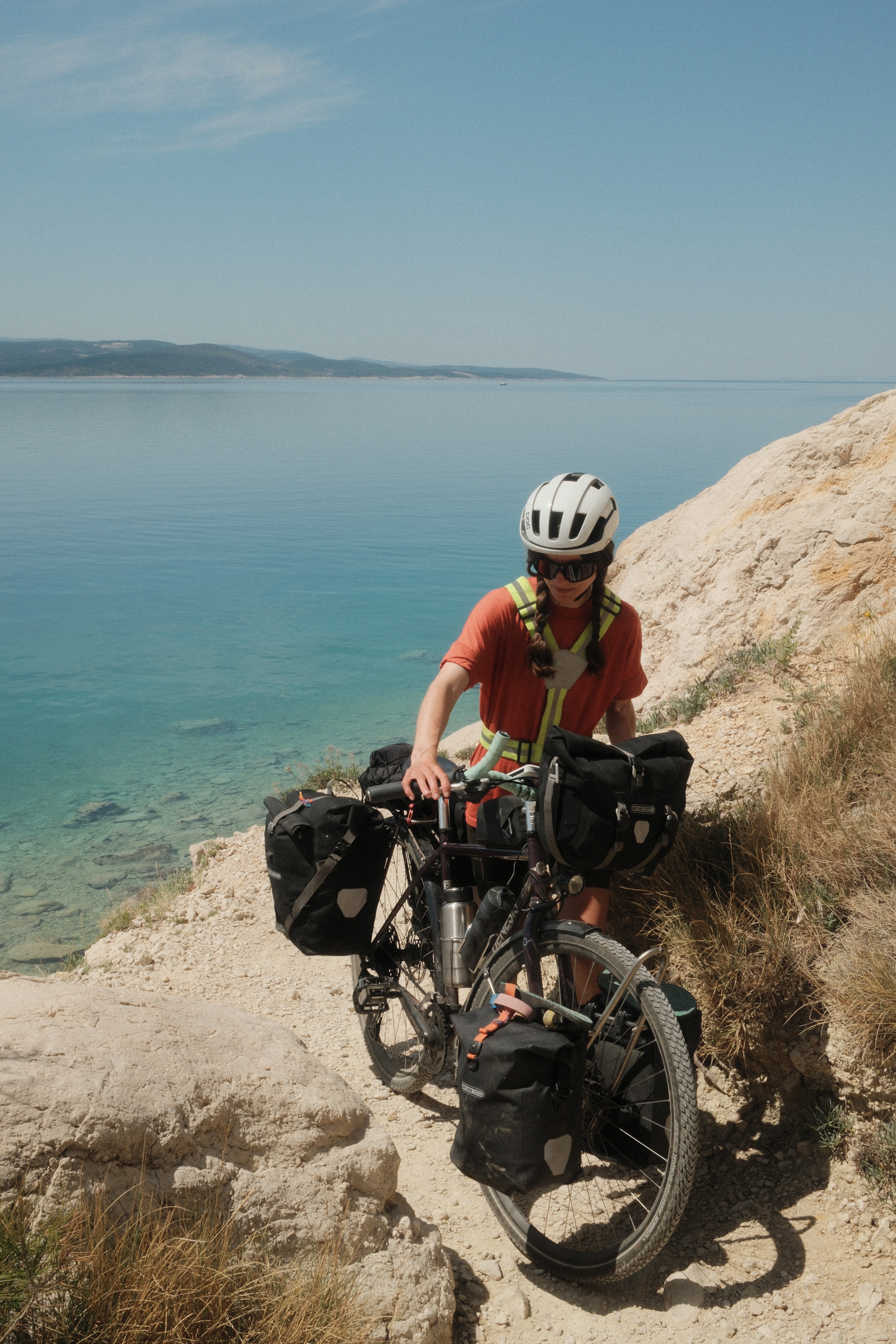
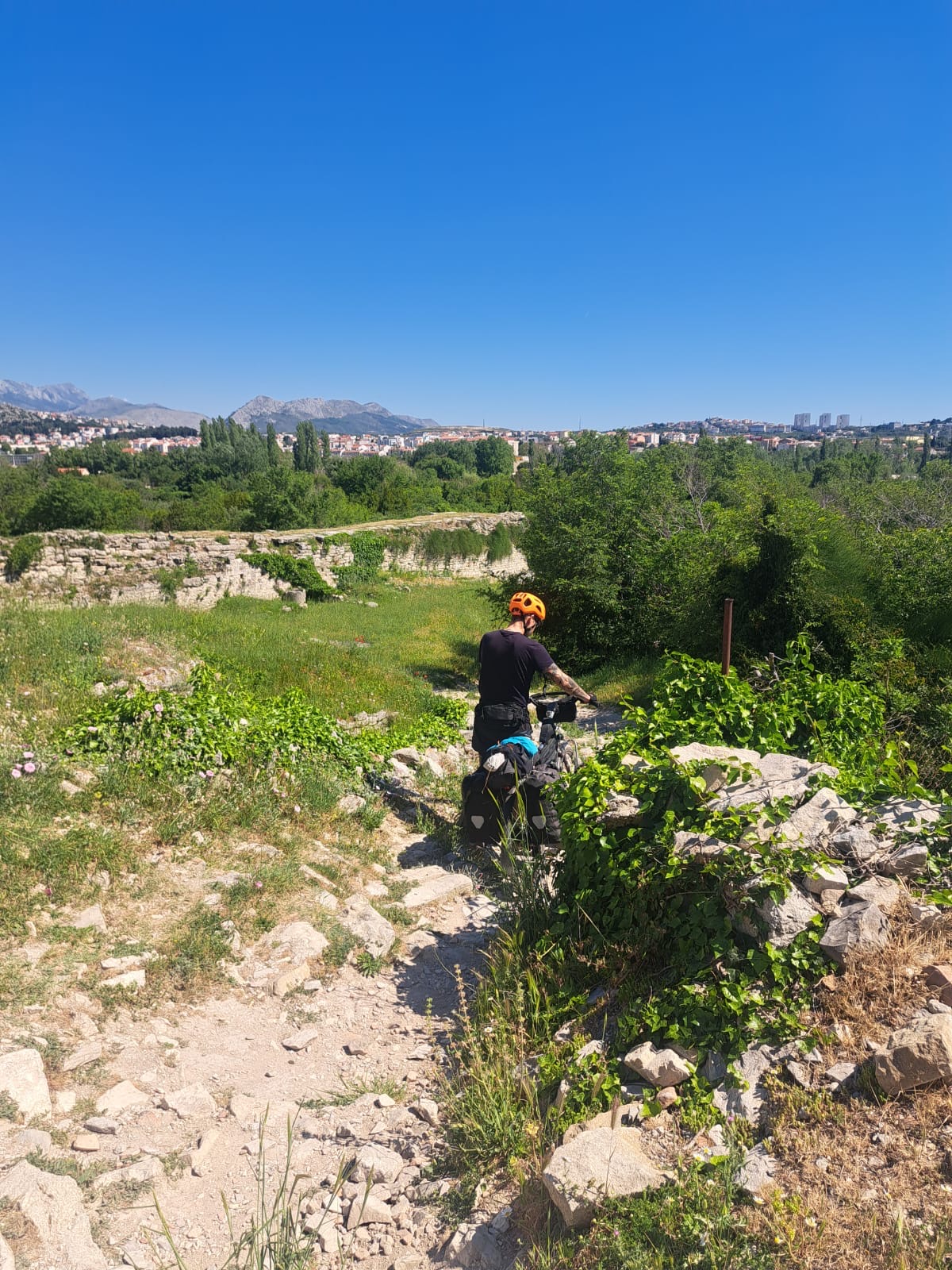
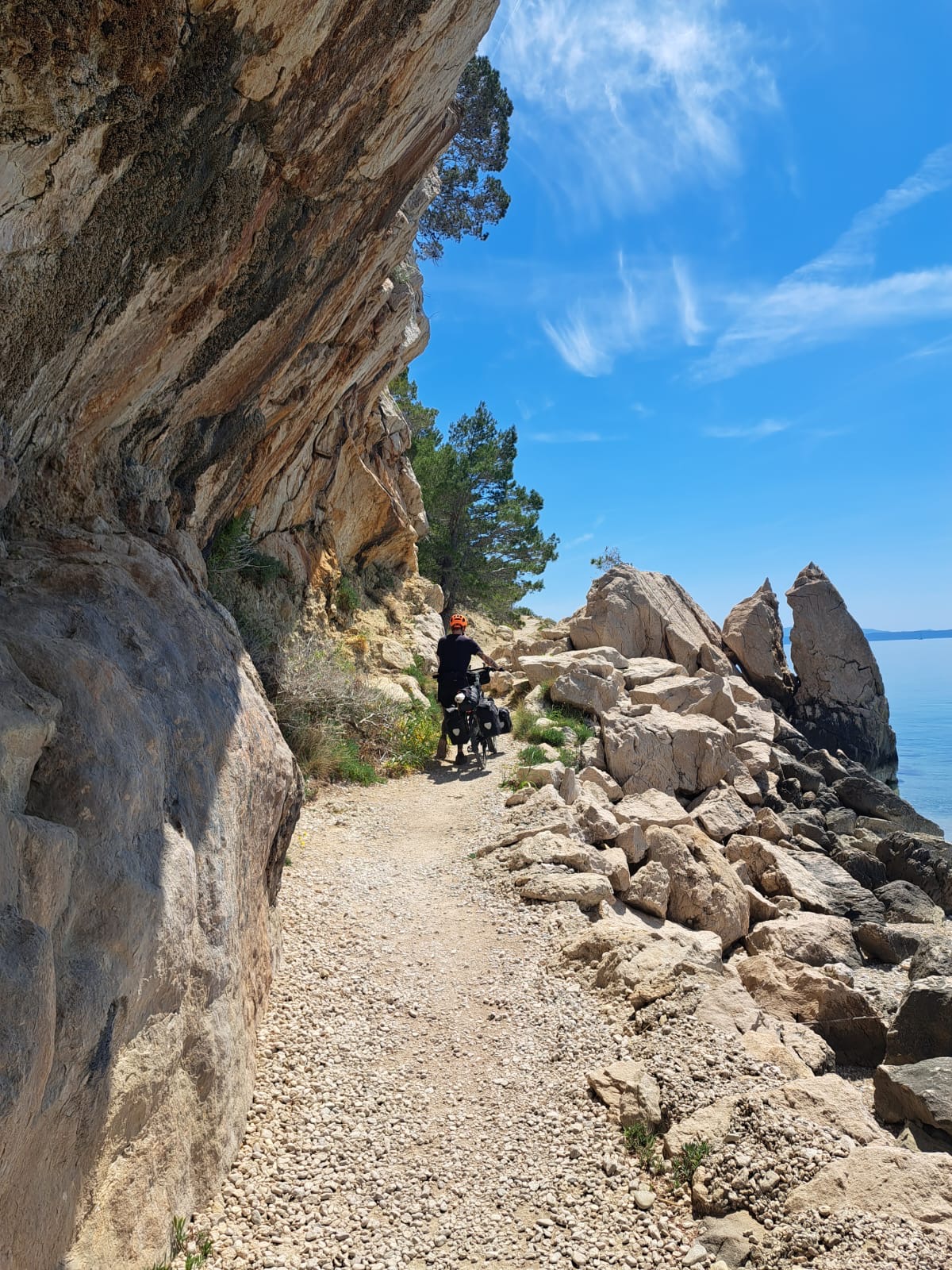
We had some dreamy stretches of gravel to escape the busy main road on our first day on Pag, but on the second as we returned to the mainland the gravel got a lot chunkier, looser and more up hill. Pushing a bike uphill might sound like the easy option but it definitely didn’t feel like it that day – infact the memory still haunts me every time I see the word “unpaved” flash up on our route. The weight of the bike was pulling me backwards, the ground was disintegrating beneath me with every step and increasingly large rocks seemed to be blocking my course. These routes were very scenic (and had the added bonus of making the traffic feel like a worthy compromise for the smooth tarmac when we ultimately returned to the busy roads) but it’s debatable whether some of them were suitable for any form of vehicle.
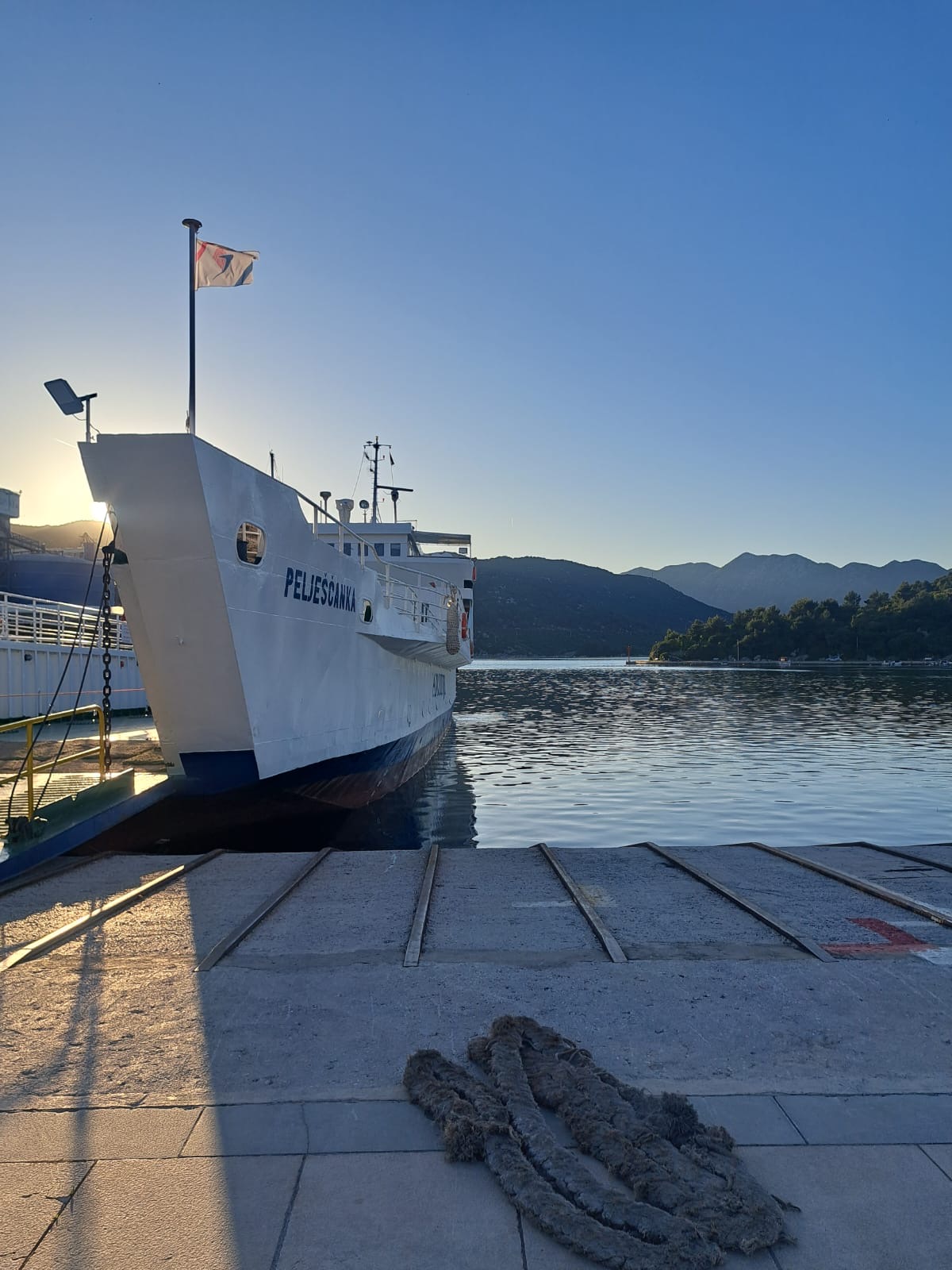
With next to no planning we had been very lucky with the timing of our first ferries to Pag and then later onto Uglijan but this luck didn’t continue. We discovered it very easy to tactically miss the ferry off the island, have a dip in the sea, eat an icecream and pretend to be on holiday. Worst things have definitely happened than being stranded on the island of Pašman, but it’s not ideal if you have a schedule to keep to or need to guarantee getting the distance in. We found it difficult to navigate the reduced off season ferry timetables even with our reduced 90km a day target and had to adopt a slightly slower, island pace of life.
Our route very much continued in the manner, we’d make a plan for the next day and it wasn’t long before something caused us to replot our route. From Pašman we crossed back to the mainland where we discovered we weren’t the only ones retreating to the solice of the gravel paths – we saw snakes (so many snakes), green lizards and – rather excitingly – a tortoise. The snakes prompted, in my case, a rather hasty return to the busy coastal road, where we then reminisced about the gravel paths as we contended with yet more questionable driving.
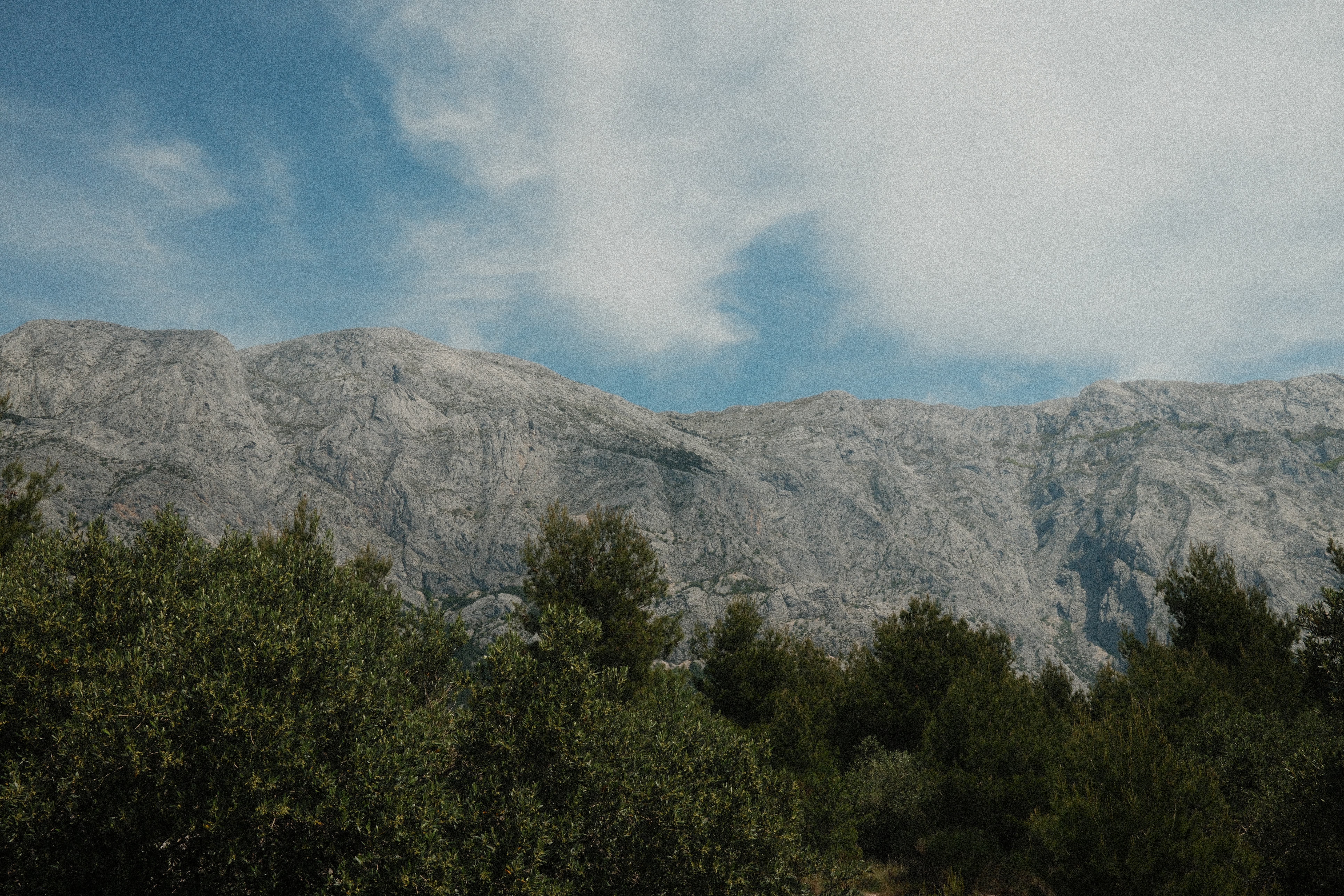
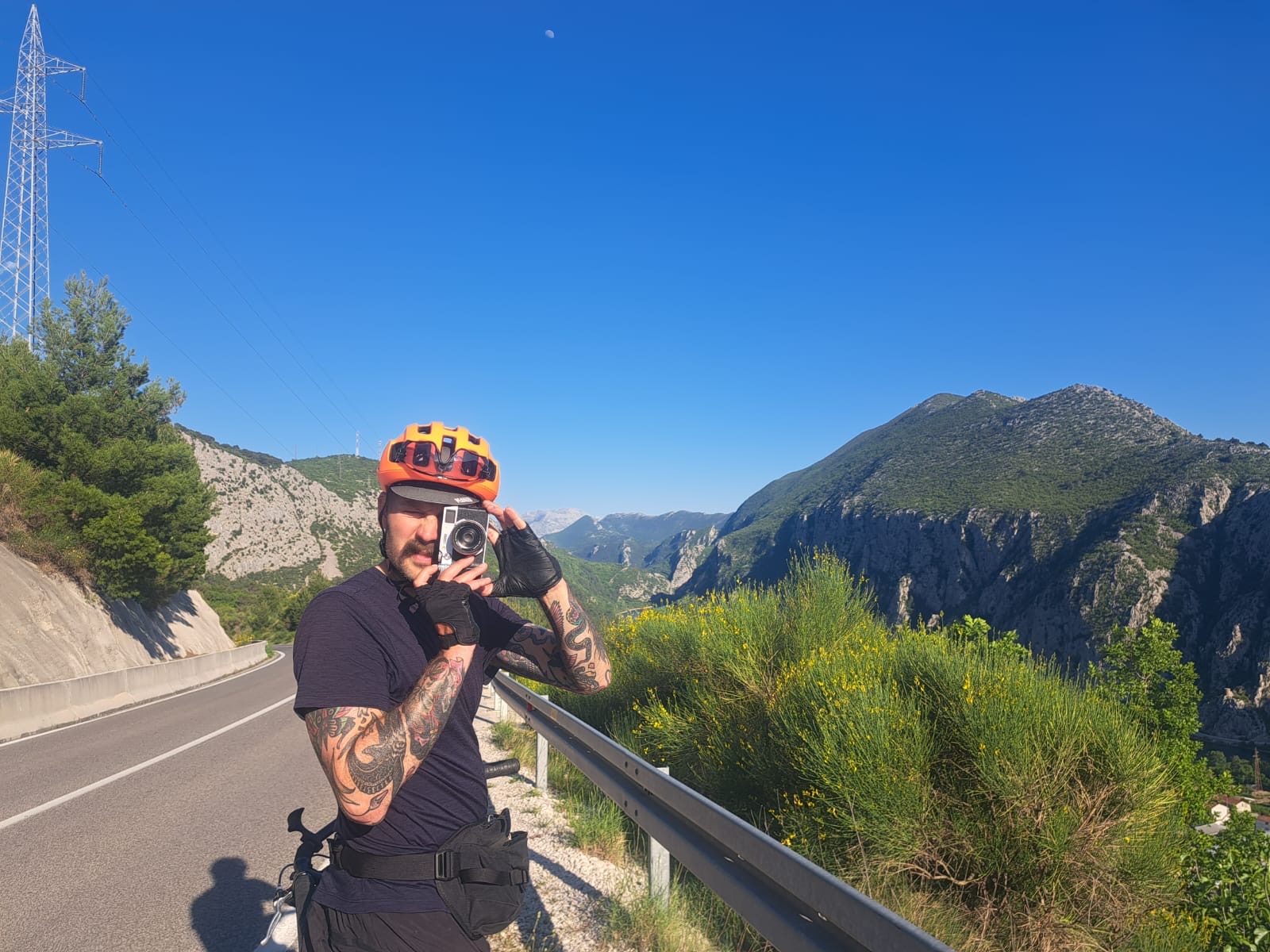
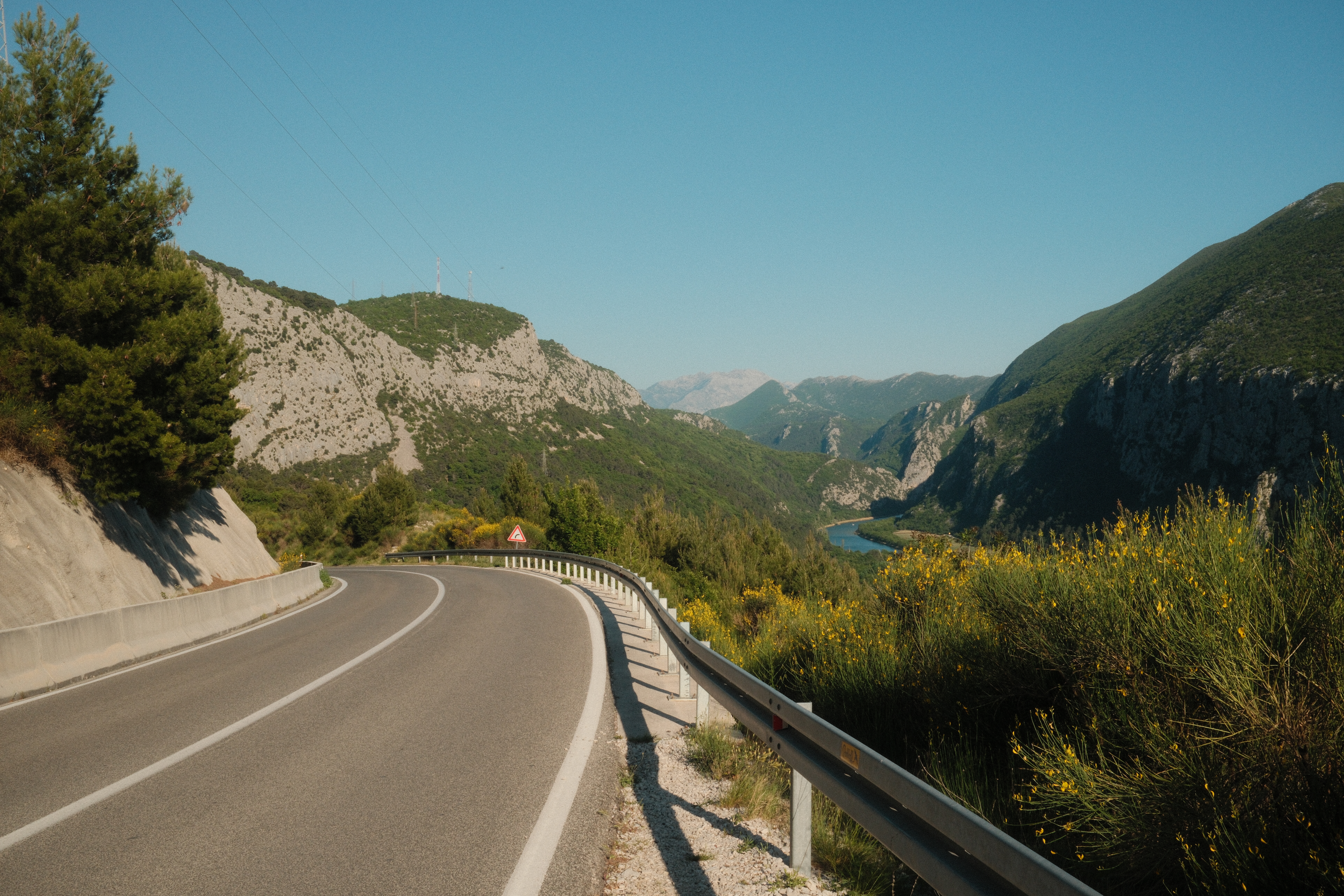
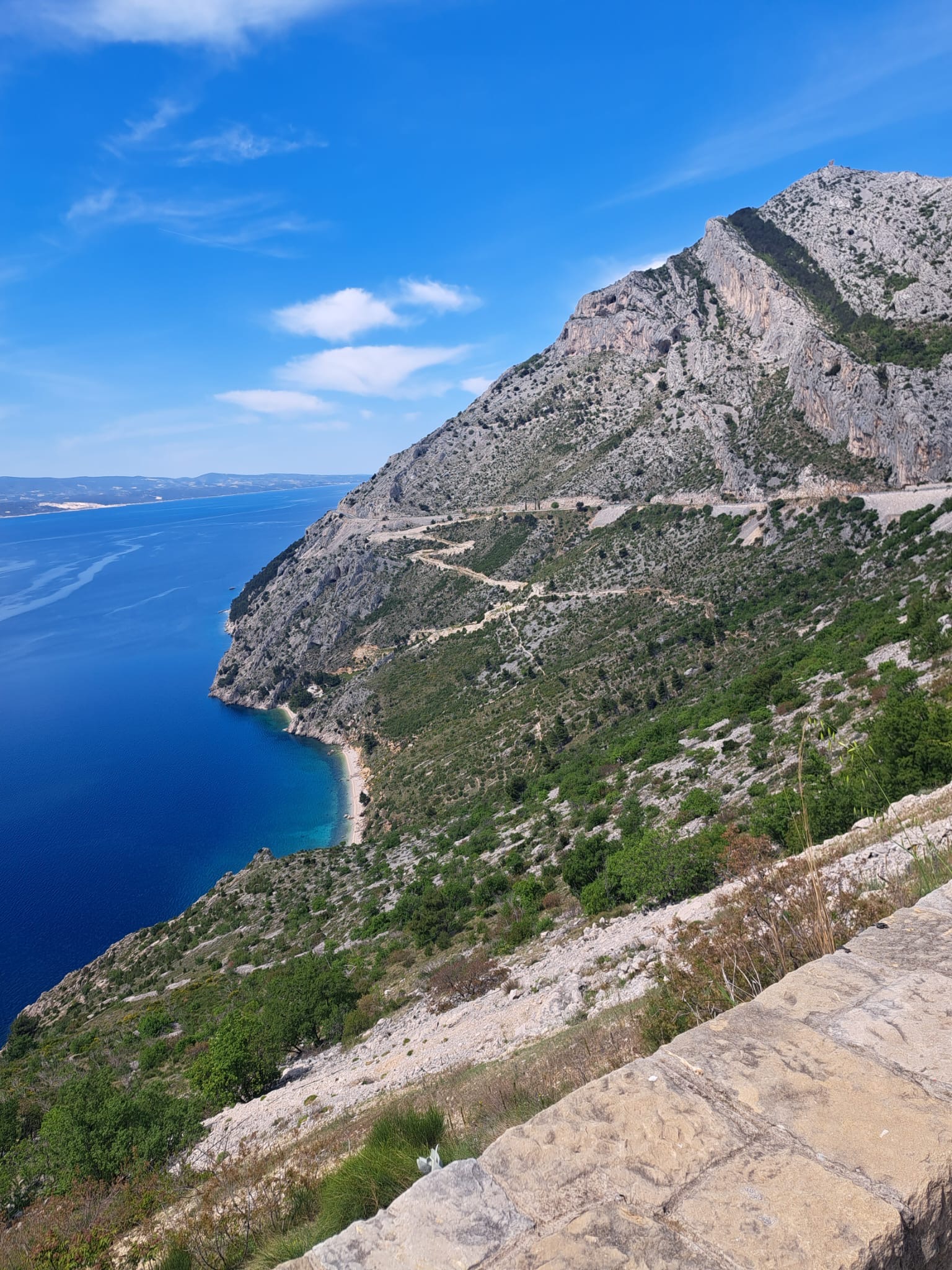
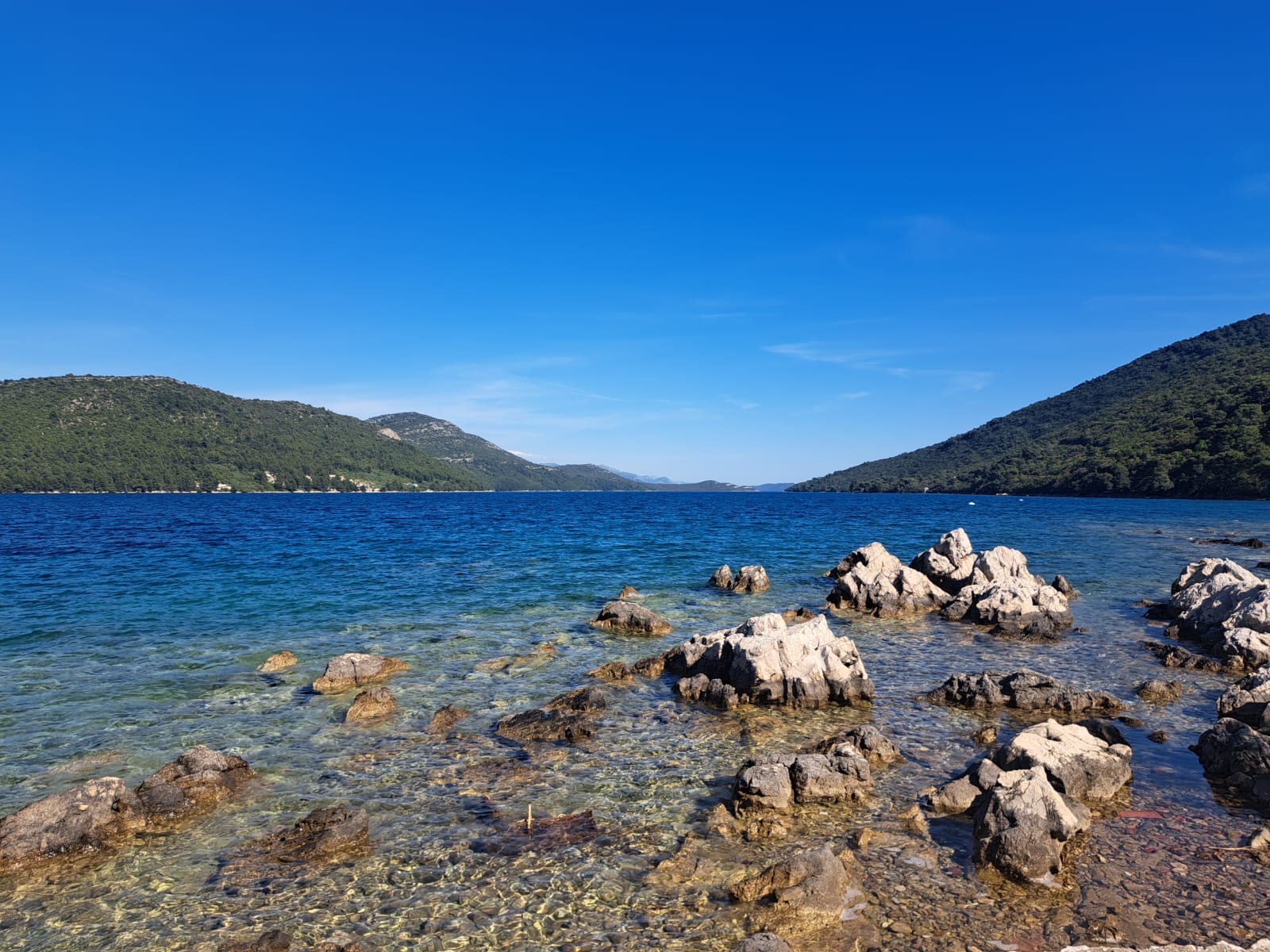
Dalmatia brought more spectacular views, including of the Cetina river canyon at Omiš. Despite an early start, our attempts to make up some distance from here were thwarted by a diversion up a very steep hill. At this point it finally seemed to sink in that distance traveled bears no correlation with effort exerted and we decided we would pause early for the day at a lakeside campsite and then divert our route via one last ferry to the Pelješac peninsula, adding in an extra day to get to Dubrovnik to account for the additional hills this resulted in. Of course even this didn’t quite go to plan – we were slowed down along a rocky coastal path and didn’t end up quite where we’d expected that night (more on this later). Finally arriving in Dubrovnik felt like a big milestone of the trip, partly because it seemed to be getting further away from us with every day, and partly because there’s been such a dramatic change in the landscape, climate and cycling culture in getting here. In a short space of a week the cold mornings had become a thing of the past, replaced with cacti and lunch time swims.
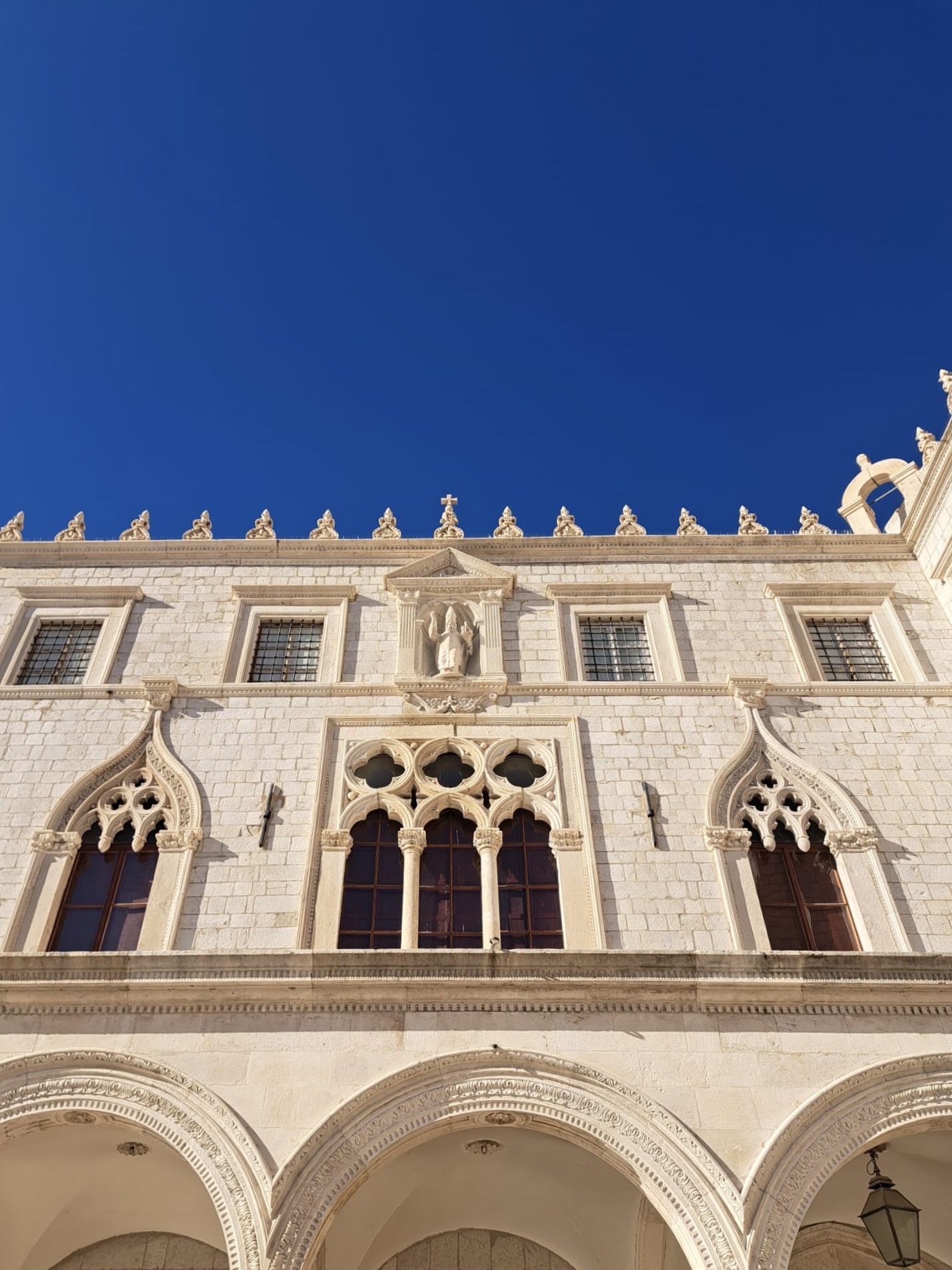
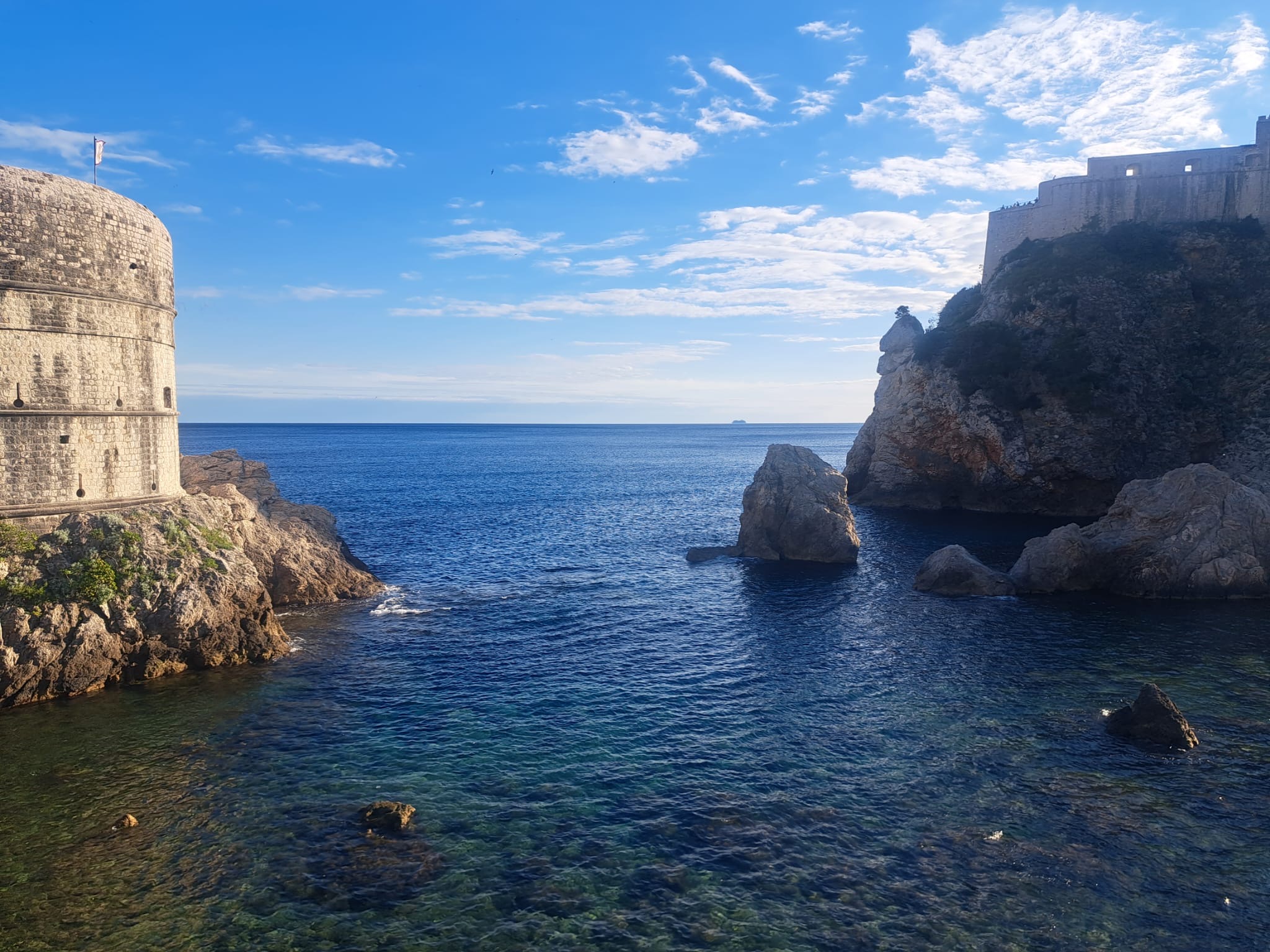
We arrived in Dubrovnik as two nervous wrecks. After over a week of feeling that, even on the quiet roads, drivers would get closer to us rather than further away to overtake, we were jumpy and tetchy at every passing car as we walked around the city, even when we were on the safety of the pavement. We had also learnt to successfully identify German drivers based on their overtaking style – they always seem to wait until it’s actually safe to pass you which felt like a complete novelty to us.
I’m conflicted about our time in Croatia. It might be that we just picked a truly terribly route, and we should have stuck to the islands or mountains. Off the roads people have gone out of their way to be very kind and we’ve had some of the most spectacular views of our trip so far. The Croatian coast has a mesmerizing dreamlike quality that none of our photographs do justice, but this felt very much at odds with our experience of cycling through it. I don’t think I really knew how I felt about our time cycling in Croatia until we crossed the border and immediately noticed a change in the driving. Finally, I could relax on the roads and we both began to enjoy cycling again rather than just wanting to get to our destination for the day in one piece. It has made us consider our route ahead not just in terms of the roads we’ll be taking, but the way people use them.


 holly and ben go adventuring.
Leave a comment